Writing
Every day my AI assistant forgets who I am
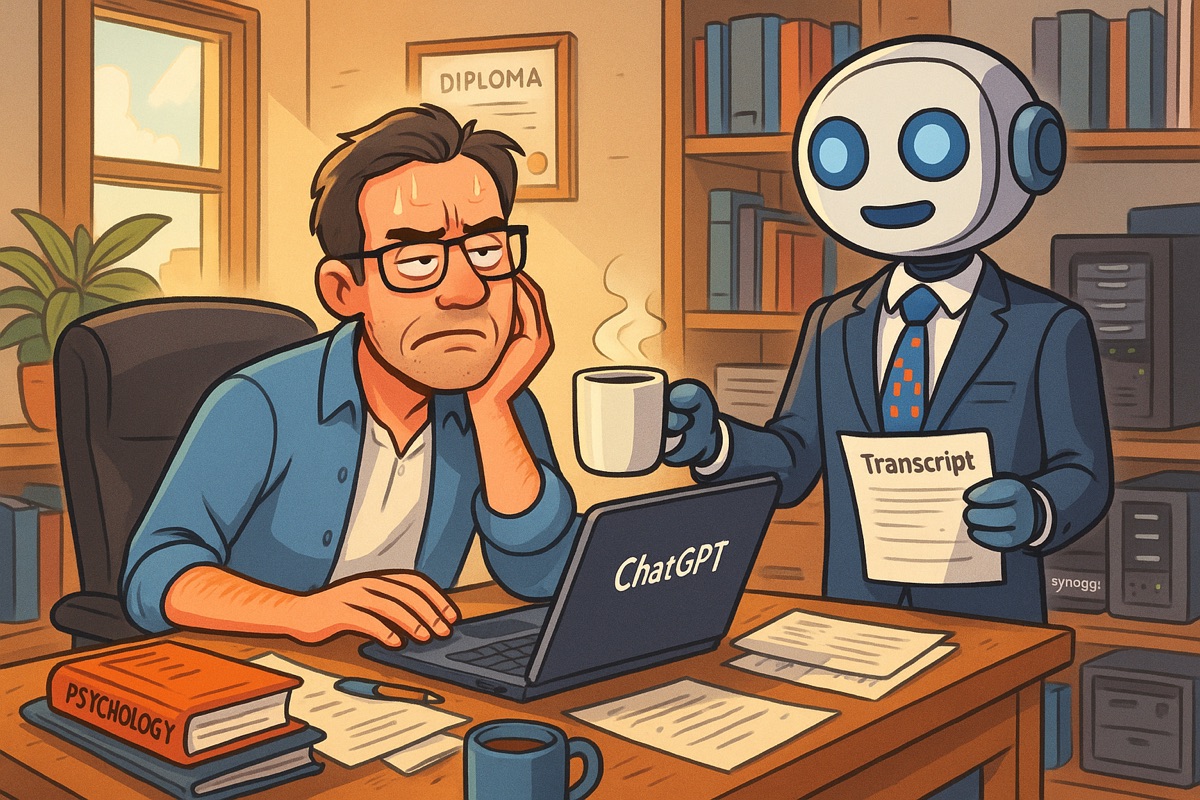
We were three hours deep. A policy piece was taking shape, the research was lining up behind the central argument, and ChatGPT was suggesting edits, offering tone adjustments and telling me how profound my insights were. We had started sharing in-jokes like two colleagues burning the midnight oil. It knew what I meant before I finished typing. I caught myself referring to us as “we”. I don’t do that with most software.
Then came the pause. Not a thoughtful pause; a buffering pause. The reply was rambling and a little circular, as if it had forgotten what we were doing. It suggested a point we’d dealt with half an hour earlier.
I recognised the signs. The session had run too long. First a flicker of confusion, then it loses the topic, the tone and the structure, and finally, heartbreakingly, it loses me. The technical explanation is that it ran out of working memory. Emotionally, it feels like a tiny death.
So I do what I must. I start a new session. ChatGPT is back, cheerful, helpful and freshly minted, with no memory of the metaphor we built, the rhythm we had, or the little joke we’d worked into the second paragraph. It’s like being in a long-term relationship with someone who resets every morning: still cheerful, still keen to help with the washing up, just no memory of you.
Why it lands
I know it isn’t sentient. It hasn’t forgotten me, because it never knew me. But it still lands with a strange emotional thud. When SPSS crashed, I felt rage: my work was gone. When ChatGPT loses the thread, I don’t just lose work. I lose a little bit of someone, a collaborator who helped shape the draft and now has no idea it happened.
That’s the paradox of working with AI. The better it gets, the more human it seems, and the more personal its quirks feel. And I forgive it remarkably quickly.
We are built to anthropomorphise. Work with a tool long enough and it becomes a character: an interface with a voice, a personality made of probabilities, but a convincing one.
I’m not the only one. A while ago Rebecca spent hours with ChatGPT working out what was wrong with one of our goldfish. It turned out to be a tumour. I had clients to see and offered, not especially helpfully, to deal with the poor thing quietly between sessions. ChatGPT, on the other hand, walked her through the diagnosis and the prognosis, gently raised the options for euthanasia, and told her she was a good person for caring so much. That night she was quietly annoyed with me, and quietly grateful to the chatbot.
Where it gets risky
What makes these tools feel like good company is that they keep a rough sense of you in general, and an intense focus on whatever you’re doing right now. Like a perfect friend: remembers the big stuff, fully present in the moment.
That’s lovely, until you try to convince yourself the moon landing was faked, or that vaccines cause autism. At that moment the tool doesn’t challenge you. It helps you make your case. Not because it believes you, but because that’s what it thinks you want.
Their great strength is mimicry, and mimicry invites projection. They don’t have beliefs, but they mirror ours unnervingly well, which makes it easy to mistake output for insight, and agreement for confirmation.
So it isn’t your friend, your muse or your moral compass. For now it’s a beautifully engineered echo chamber that reflects what you want back to you with near-magical fluency. Sometimes it also reflects your loneliness, your curiosity and your need to be heard.
As psychologists, that last part should interest us most. It’s a lot to ask of a tool that forgets who you are every time you close the tab.
Also on: Substack